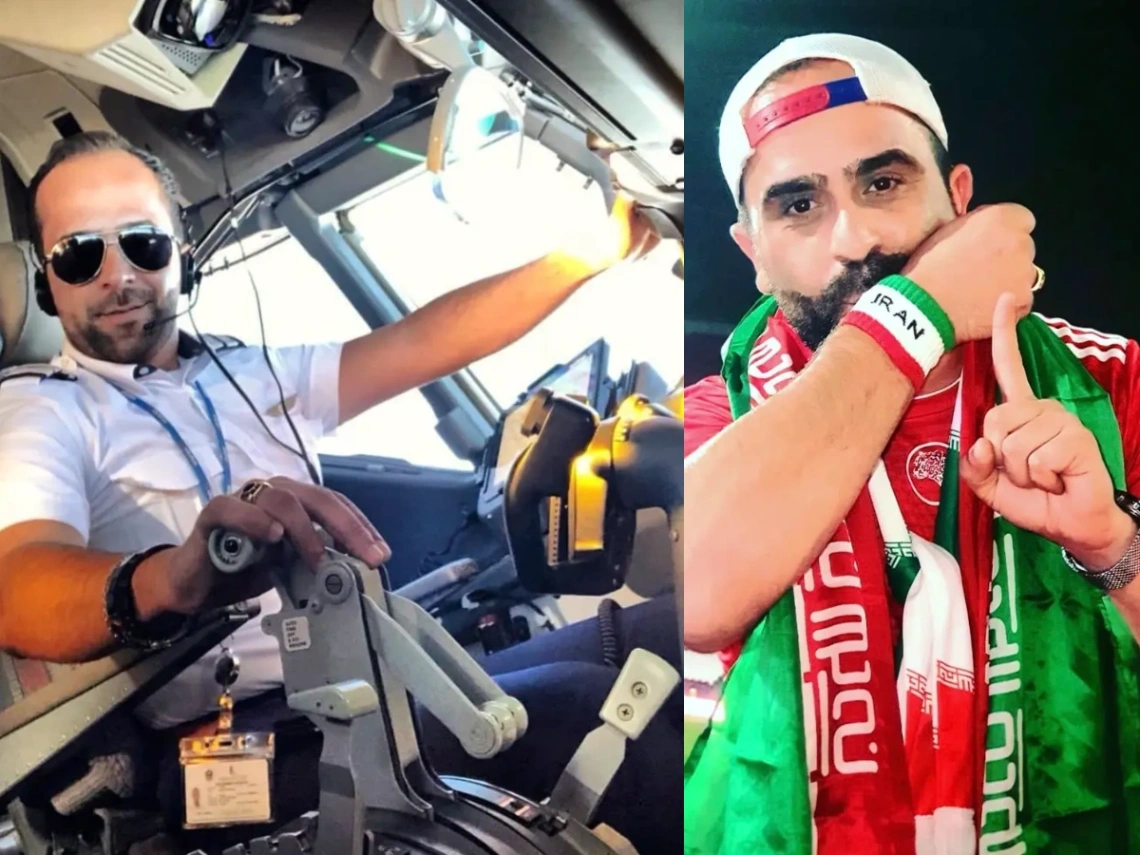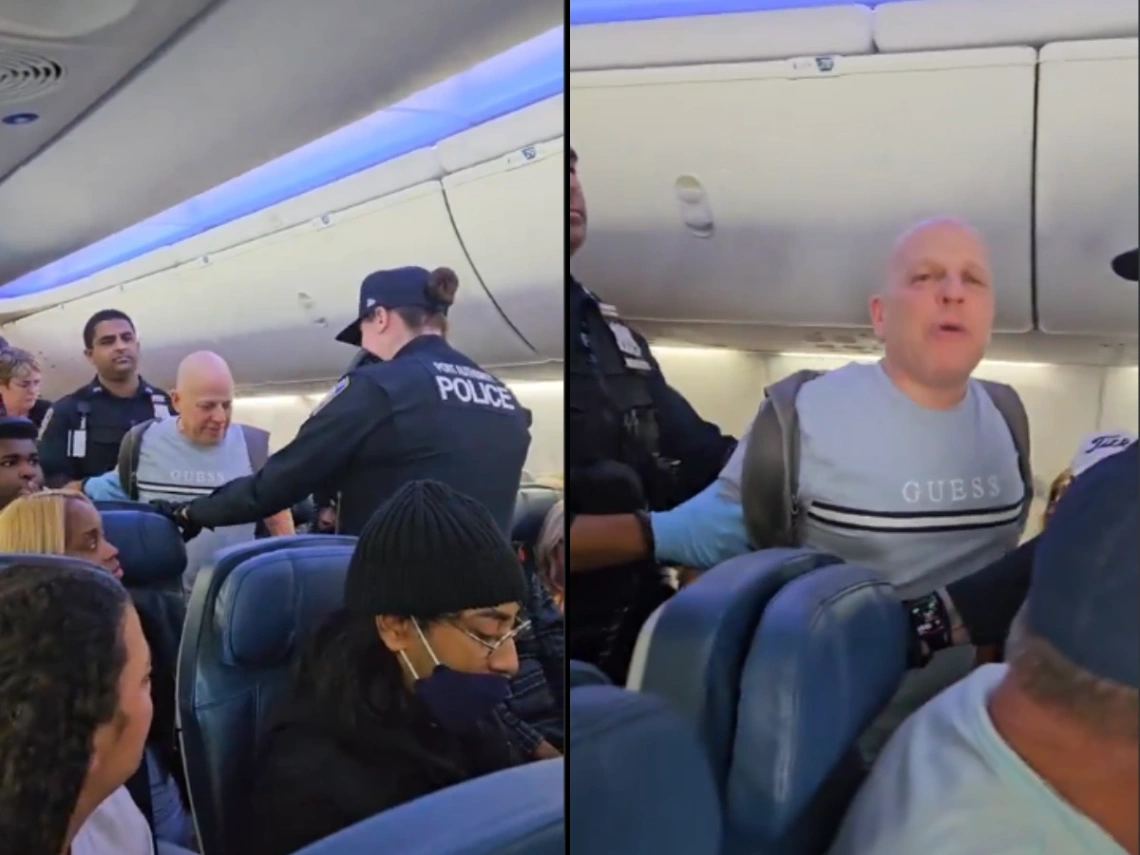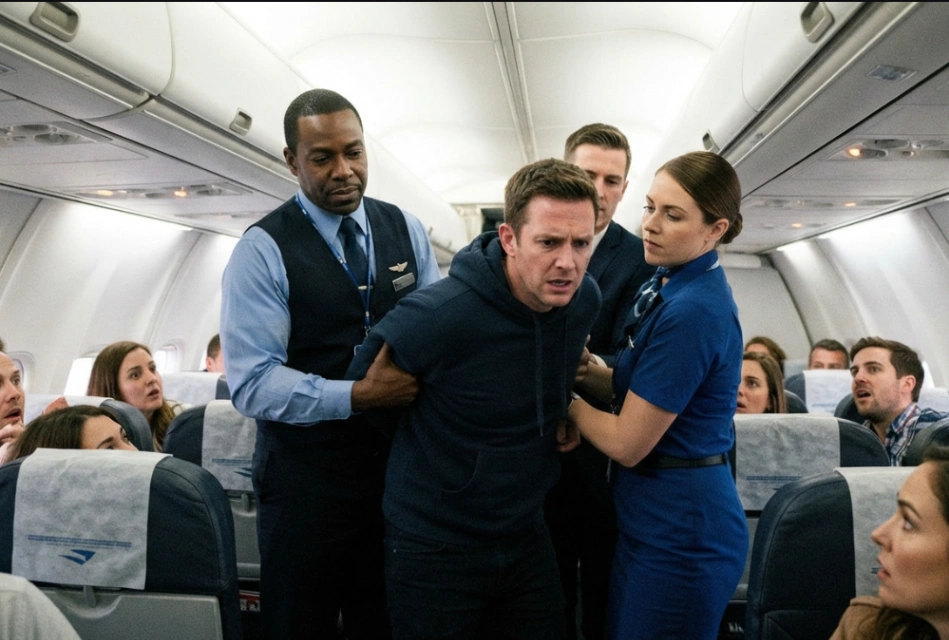
‘I couldn’t let everybody else die,’ said Smit Machchhar, the hero Indian captain who, while working as the captain of Flydubai Flight 1073, fought off a savage attack by his copilot, who attempted an aircraft hijacking. His bravery helped save the lives of 172 passengers and his fellow crew members. For his bravery, he received the Vishisht Gujarat Garima Award from the Government of Gujarat.
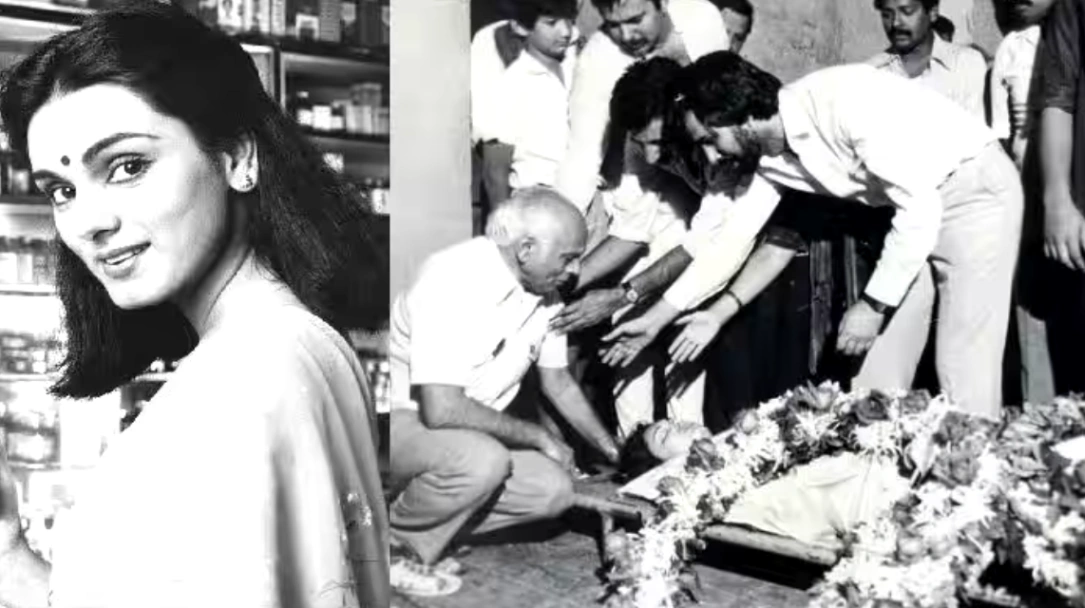
But, before Smit Machchhar, there was Neerja Bhanot.
I keep coming back to one question about Neerja: What does courage look like when you are terrified, surrounded by armed men, and responsible for people whose lives depend on your decisions?
For Neerja, it did not mean defeating four gunmen in a fight. It meant staying alert, making calculated decisions and putting other people’s lives ahead of her own.
And she was only 22.
The moment Neerja realized what was happening
On September 5, 1986, four armed hijackers from the Abu Nidal Organization seized Pan Am Flight 73 at Karachi airport in Pakistan. The aircraft was carrying 379 passengers and crew during a stop on its journey from Bombay to the United States.
Neerja was the senior flight purser.
When she realised the aircraft was being hijacked, she alerted the cockpit crew. The pilots escaped, leaving the aircraft unable to take off. That decision changed the course of the hijacking.
The hijackers wanted a pilot so they could fly the plane. They also wanted to identify American passengers.
Neerja now faced a terrifying responsibility. She had to help manage a cabin full of frightened people while four armed men controlled the aircraft.
She hid American passengers’ passports
The hijackers demanded passengers’ passports. They wanted to identify Americans, who were among their targets.
Neerja understood the danger.
Instead of allowing the American passengers to be easily identified, she and other crew members concealed passports. Accounts describe passports being hidden beneath seats and in other places where the hijackers would be less likely to find them.
It was a small act with enormous consequences.
A passenger, Dharmendra Shah, later recalled the significance of Neerja’s actions in an interview with Filmfare:
“The most incredible memory is of Neerja gesturing the passengers to hide their American passports.”
I find that detail especially powerful because she did not need to overpower a hijacker to help someone survive. She needed to recognise what the men wanted and act before they could get it.
She also tried to keep passengers calm during the long ordeal. Survivors recalled her persuading the hijackers to allow people to use the washroom and children to drink water.
These were not dramatic gestures. They were practical decisions made under extraordinary pressure.
She could have escaped. She went back.
The hijacking lasted roughly 16 hours. Then the situation deteriorated.
As the aircraft's auxiliary power failed and the cabin lights dimmed, the hijackers opened fire and threw grenades. Passengers scrambled to escape through the aircraft's exits.
Neerja helped open an emergency exit and get people out.
She could have used the opportunity to save herself. Instead, she continued helping passengers, including children who were still inside.
A survivor recalled her decision in an interview with Filmfare:
“She could have easily been the first to slide down the chute but she chose to push everyone else out.”
Neerja was shot while helping children escape. She died from her injuries, just two days before her 23rd birthday.
The US Department of Justice records that 20 people were killed, including Neerja, and more than 100 injured during the hijacking. She helped save around 359 passengers and crew members. Though, he did not act alone.
I cannot imagine the fear she must have felt. But I do not think we need to imagine her as fearless to understand her bravery. She acted while the danger was real and the outcome was uncertain.
What India's highest peacetime gallantry award said about her
Neerja was posthumously awarded the Ashoka Chakra, India's highest peacetime gallantry award.
The official citation praised her presence of mind and her efforts to protect passengers. It concluded:
“Her loyalties to the passengers of the aircraft in distress will forever be a lasting tribute to the lasting qualities of human spirit.”
That is a remarkable tribute. But I think the most revealing part of her story is not the medal. It is the sequence of decisions that came before it: warning the pilots, concealing passports, calming passengers and helping people escape.
The award recognised the courage behind those decisions.
The response was not limited to India. In a statement on September 5, 1986, US President Ronald Reagan condemned the hijacking as a “cruel and sinister terrorist act” and praised the response that brought the ordeal to an end.
The United States later pursued the hijackers through its justice system. The case remains a reminder that the consequences of an aircraft hijacking do not end when survivors leave the plane.
The families and survivors who carried the memory home
I also think about the people who survived.
For some, the hijacking was not a frightening travel story they could eventually leave behind. It became the day a parent, spouse, friend or fellow passenger did not return home.
One person commenting online wrote:
"She was a beautiful brave woman who was brutally murdered while saving many other peoples' lives."
Another said:
"Will respect her till the end of time."
And another wrote:
"Neerja Mam And Smit Sir Made Whole India Proud At Thier Respective Times."
The comments also reveal the lasting pain of the tragedy. One person shared:
"She was an amazing person. I know someone whose dad died during this hijacking. He doesn't talk about it, but did bring it up when drinking once. I can't imagine the pain he has felt his whole life, knowing his dad died in such a horrific way."
That comment stayed with me.
We often tell stories of heroism through awards, photographs and the number of people saved. We talk less about the families who lost someone, or the survivors who may carry memories they rarely discuss.
Neerja's bravery deserves to be remembered. So do the people who never made it home.
Another commenter wrote:
"you strong brave lady you make me cry."
I understand that reaction. Her story is heartbreaking precisely because she was young, had a life ahead of her and still chose to keep helping others when she had a chance to escape.
Her love life, marriage, and children
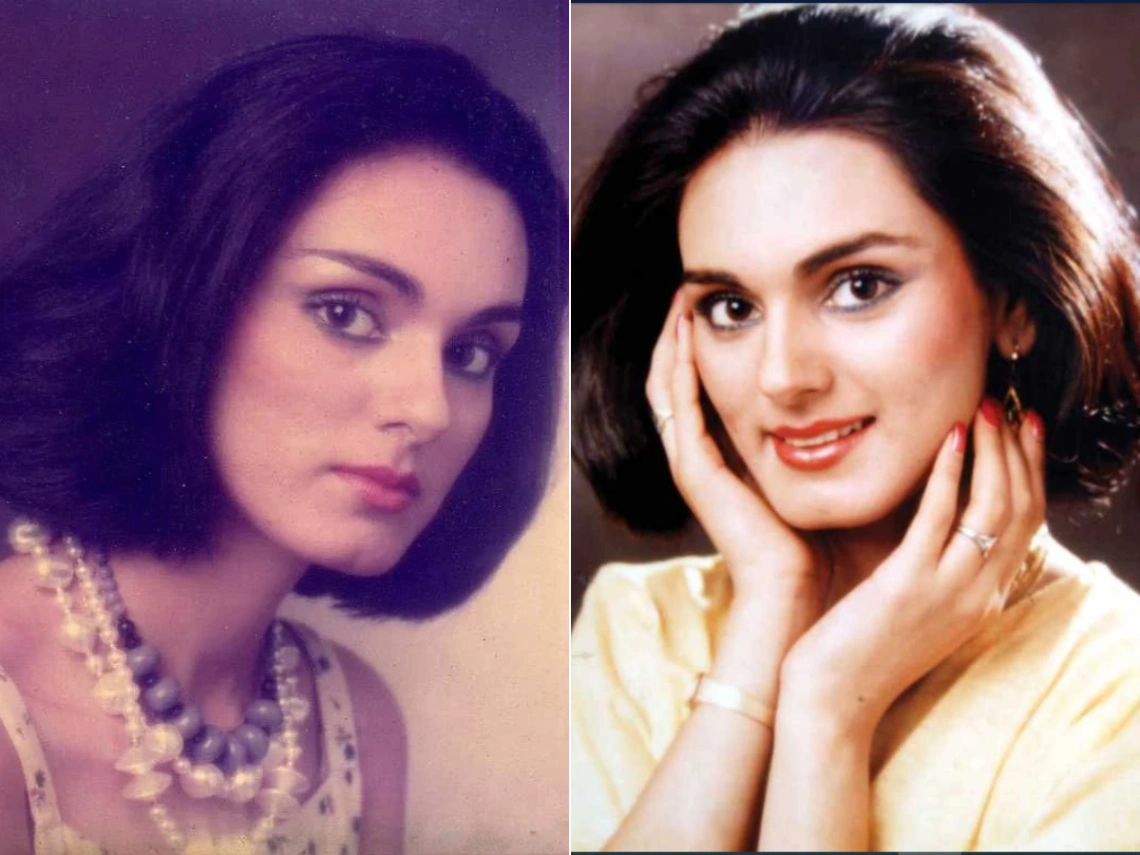
Neerja Bhanot’s life was not without heartbreak. In 1985, her family arranged her marriage to a man living in Sharjah, United Arab Emirates. She was devoted to her dad, so she couldn't say no, according to the Indian Express. She was a beautiful young woman with a modelling career at the time. But the marriage reportedly became abusive, with her husband subjecting her to demands for dowry and mistreatment.
A handwritten note by Neerja to her father shows the conditions Neerja's husband had listed for the marriage to work. “Take charge of the house, cooking has to be done whether you work or not; you have to be quiet and well behaved;" the note says, per Tribune India, adding that "a wife has to accept the husband as he is; modelling and fashion shows are unacceptable but you can work as a computer programmer; you have to forget your father’s home. If you don’t accept these conditions, we will separate.”
Neerja returned to Mumbai after only a few months and chose not to go back. With her family’s support, she moved forward with her career and joined Pan Am as a flight attendant. Neerja never remarried. And there is no reliable public account that she had children or left behind a confirmed romantic partner when she died.
Final thoughts: I do not think courage always looks like fighting
When I compare Smit Machchhar's reported actions with Neerja Bhanot's, I see two different acts of courage in aviation. One involved confronting an alleged hijacking attempt from inside the cockpit. The other involved protecting passengers from armed men who had already taken control of an aircraft.
Neerja did not save everyone. No one could have guaranteed that outcome. But she helped save lives through quick thinking, composure and a willingness to keep helping when her own life was in danger.
I do not want to remember her only as a young woman who died a hero. I want to remember that she was a person who thought clearly under pressure, recognised what others needed and acted.
And I want to remember that courage is not always about winning a fight. Sometimes it is about buying someone time, hiding a passport, opening an exit or choosing to help the person beside you when you could have run.
Neerja Bhanot did those things. She was 22 years old.
That is why, decades later, people still remember her.